
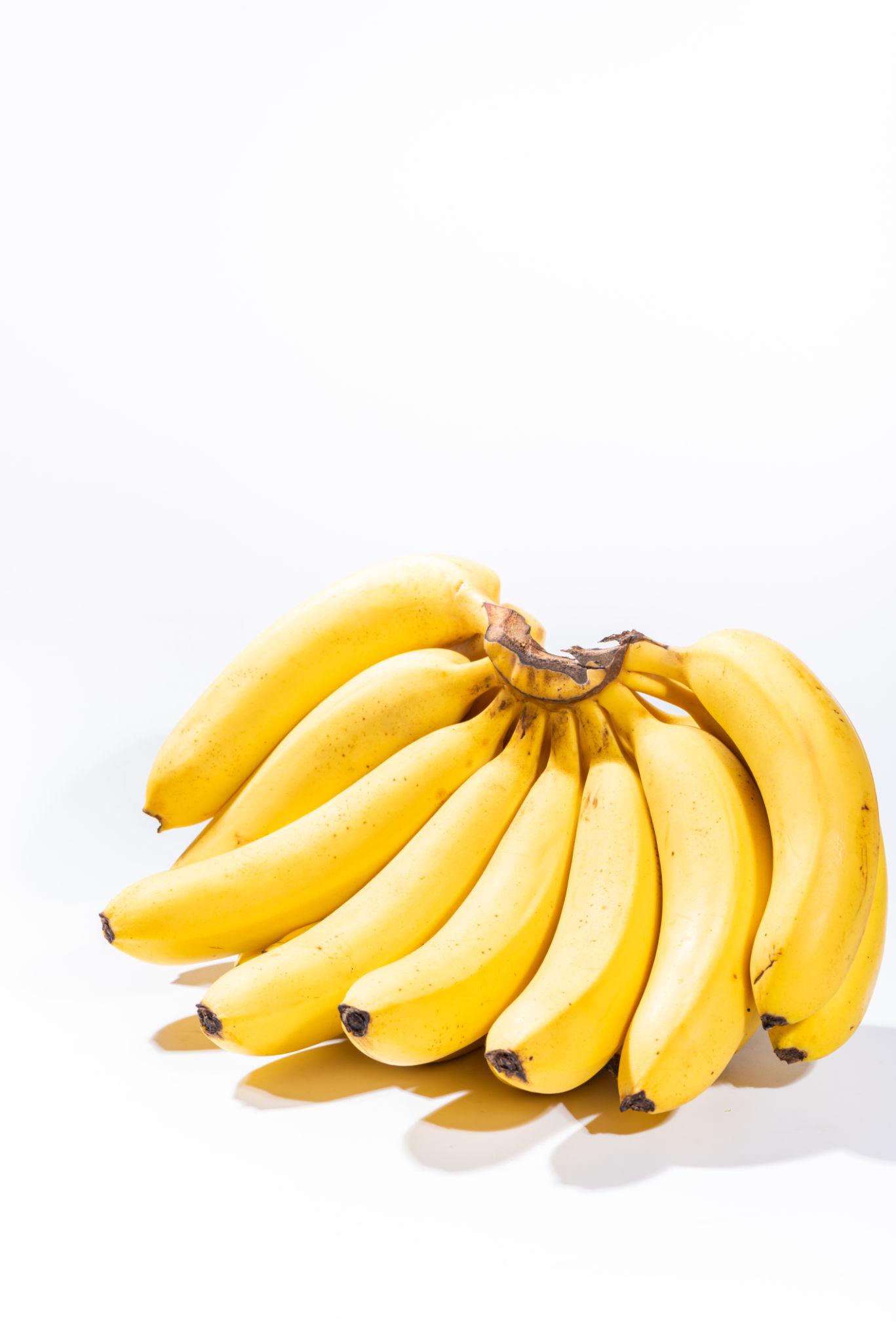
Banana Nutrition Facts: Health Benefits, Calories, and Nutritional Value
Bananas are among the most popular fruits in the world. They are affordable, convenient, naturally sweet, and packed with essential nutrients. Whether eaten as a quick snack, added to smoothies, or used in healthy recipes, bananas provide a variety of vitamins, minerals, and health benefits that support overall well-being.
Understanding banana nutrition facts can help you make informed dietary choices and enjoy the many benefits this fruit has to offer.
Banana Nutrition Facts
A medium-sized banana (approximately 118 grams) contains:
- Calories: 105
- Carbohydrates: 27 grams
- Dietary Fiber: 3.1 grams
- Sugars: 14 grams
- Protein: 1.3 grams
- Fat: 0.4 grams
- Potassium: 422 mg
- Vitamin C: 10.3 mg
- Vitamin B6: 0.4 mg
- Magnesium: 32 mg
- Manganese: 0.3 mg
Bananas are naturally free of cholesterol and contain very little fat, making them an excellent addition to a balanced diet.
Calories in Bananas
Many people wonder whether bananas are high in calories. A medium banana contains about 105 calories, making it a nutrient-dense snack that provides energy without excessive calorie intake.
The calories in bananas mainly come from carbohydrates, which serve as the body’s primary energy source. This makes bananas particularly popular among athletes, students, and individuals who need a quick energy boost.
Carbohydrates and Natural Sugars
Bananas are rich in carbohydrates, including natural sugars such as fructose, glucose, and sucrose. These natural sugars provide immediate energy while the fiber content helps slow digestion and supports stable blood sugar levels.
Green bananas contain more resistant starch, while ripe bananas contain more natural sugars. Resistant starch acts similarly to dietary fiber and may support digestive health.
Rich Source of Potassium
One of the most important banana nutrition facts is its high potassium content. Potassium is an essential mineral that helps regulate fluid balance, muscle contractions, and nerve signals.
Adequate potassium intake may help:
- Maintain healthy blood pressure
- Support heart function
- Reduce muscle cramps
- Improve exercise performance
- Balance sodium levels in the body
A single medium banana provides about 9% of the daily recommended potassium intake.
Excellent Source of Vitamin B6
Bananas are one of the best fruit sources of vitamin B6. This vitamin plays a crucial role in:
- Brain development and function
- Production of neurotransmitters
- Protein metabolism
- Immune system support
- Formation of red blood cells
Consuming bananas regularly can help contribute to your daily vitamin B6 needs.
Vitamin C Benefits
Although oranges are more famous for vitamin C, bananas also provide a useful amount of this important nutrient.
Vitamin C supports:
- Immune health
- Collagen production
- Skin health
- Wound healing
- Antioxidant protection
Antioxidants help protect cells from damage caused by free radicals, which may contribute to aging and chronic diseases.
Dietary Fiber and Digestive Health
Bananas contain both soluble and insoluble fiber. Fiber is essential for healthy digestion and may offer several benefits:
- Promotes regular bowel movements
- Supports gut health
- Helps control appetite
- Improves digestive function
- Supports healthy cholesterol levels
The fiber in bananas can help you feel full for longer, making them a smart choice for weight management.
Heart Health Benefits
Bananas are often recommended as part of a heart-healthy diet. Their combination of potassium, fiber, and antioxidants may help support cardiovascular health.
Research suggests that diets rich in fruits and vegetables, including bananas, are associated with a lower risk of heart disease. Potassium helps relax blood vessel walls and may contribute to healthy blood pressure levels.
Energy Boost for Active Lifestyles
Athletes frequently consume bananas before, during, or after exercise. Their natural carbohydrates provide quick energy, while potassium helps replace minerals lost through sweat.
Benefits for active individuals include:
- Improved endurance
- Reduced fatigue
- Faster recovery
- Convenient pre-workout snack
- Natural energy source
Because bananas are portable and require no preparation, they are an ideal snack for people on the go.
Are Bananas Good for Weight Loss?
Bananas can be part of a healthy weight-loss diet when consumed in moderation. Despite their natural sweetness, they contain relatively few calories and provide fiber that helps increase feelings of fullness.
Eating a banana as a snack may help reduce cravings for processed foods and sugary treats. Pairing bananas with protein-rich foods such as yogurt or nuts can further support satiety.
Bananas and Blood Sugar
Many people are concerned about the sugar content of bananas. While bananas do contain natural sugars, they also provide fiber, which slows digestion and helps moderate blood sugar responses.
The ripeness of a banana can influence its effect on blood sugar. Less ripe bananas generally have a lower glycemic impact than very ripe bananas.
Individuals with diabetes should consider portion size and consult healthcare professionals for personalized dietary advice.
Easy Ways to Add Bananas to Your Diet
There are many delicious ways to enjoy bananas:
- Eat them fresh as a snack
- Add slices to oatmeal
- Blend into smoothies
- Mix into yogurt
- Use in healthy baking recipes
- Freeze for a refreshing treat
- Add to fruit salads
Their natural sweetness can also reduce the need for added sugars in many recipes.
Conclusion
Banana nutrition facts reveal why this fruit is a favorite worldwide. Bananas provide essential nutrients including potassium, vitamin B6, vitamin C, fiber, and carbohydrates that support energy production, heart health, digestion, and overall wellness.
With their convenient portability, natural sweetness, and impressive nutritional profile, bananas are an excellent addition to a balanced diet. Whether you are looking for a healthy snack, workout fuel, or a nutritious ingredient for meals, bananas offer a simple and delicious way to improve your daily nutrition.